

How to Improve Your Conditioning Without Burning Out | The Fitness Vault, Gym Ascot

Improving your conditioning is one of the best things you can do for your health, performance, and everyday energy. But many people make the same mistake. They push too hard, too often, and end up exhausted, sore, or completely burnt out. At The Fitness Vault, gym Ascot, we teach members how to build conditioning the smart way, using simple training principles that support long term progress.
If you have ever felt wiped out after every workout or stuck in a cycle of starting strong then dropping off, this guide will help you train with more balance and better results.
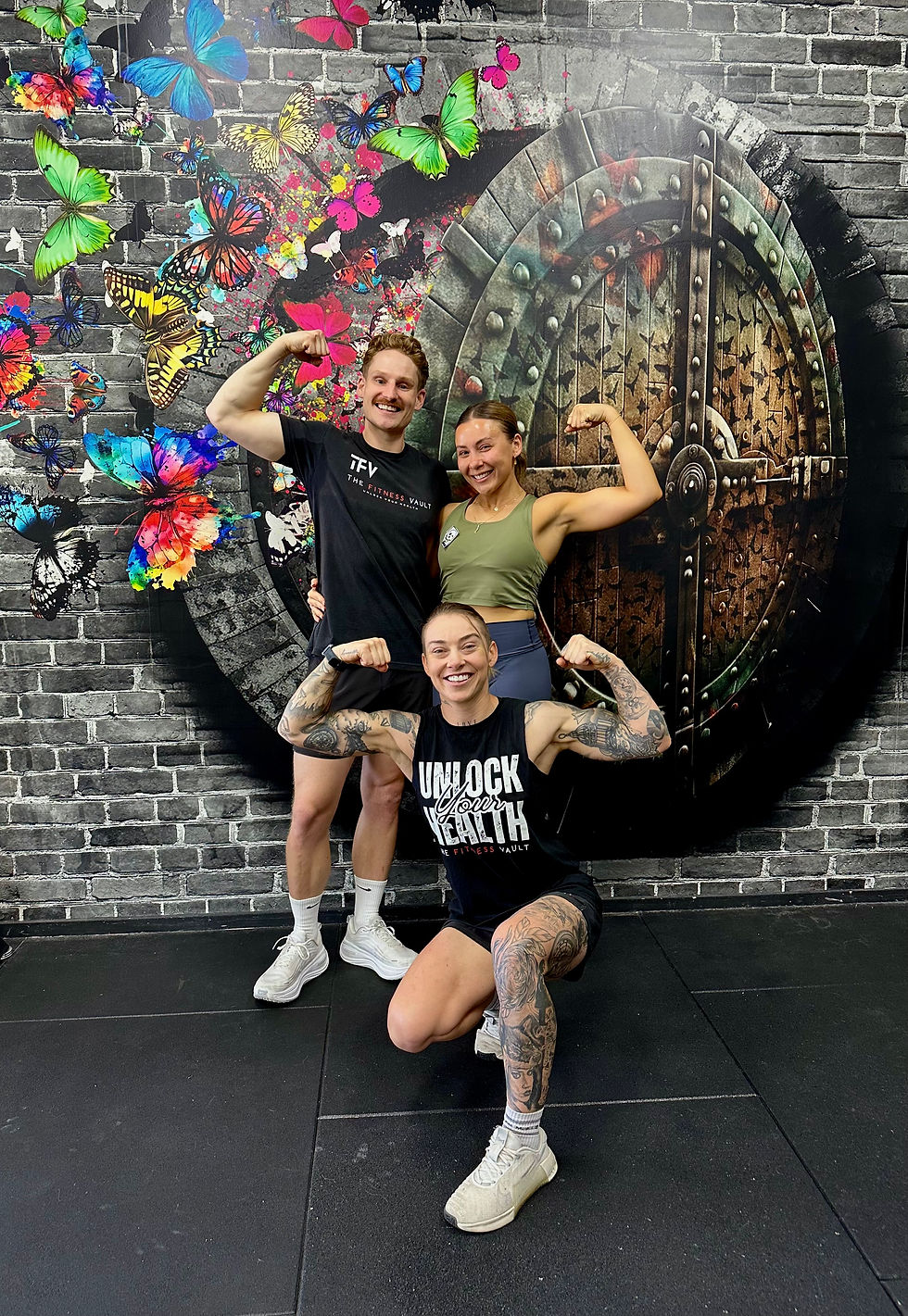
1. Understand Your Training Zones With TFV (ascot gym)
Most conditioning improvements come from understanding the different intensity zones and how they affect your body.
Here is a simple breakdown:
Zone 2 Conditioning
This is sustainable, conversational pace work. Examples include steady rowing, cycling, jogging or fast walking.Benefits include improved aerobic capacity, fat utilisation, and recovery.Most people should spend 60 to 70 percent of their conditioning here, especially early on.
Moderate Tempo Work
This feels challenging but controlled. You can talk, but only in short sentences.This type of work builds strength endurance and improves your ability to sustain effort for longer periods.
High Intensity Work (HIIT)
Short bursts of intense effort with rest breaks.This boosts power, speed and top end fitness but is very taxing on the nervous system.It should be used sparingly, usually one or two times per week.
Most people trying to improve conditioning lean heavily on HIIT and skip the lower zones, which leads to burnout. A balanced approach is far more effective.
2. Start With Sustainable Volume
If you are new to conditioning or returning after a break, keep it simple.
A balanced weekly structure might look like:
2 low intensity zone 2 sessions
1 moderate intensity session
1 high intensity session
This gives you the benefits of each zone without overloading your body.
At The Fitness Vault, gym Ascot, we regularly see people make huge progress by slowing down a little and training with more intention.
3. Use RPE to Guide Your Effort
RPE stands for Rate of Perceived Exertion. It is a simple way to judge how hard you are working.
RPE 3 to 5 is light and sustainable
RPE 6 to 7 is moderate and challenging
RPE 8 to 9 is hard and used for short intervals
RPE 10 is maximum effort and rarely needed
Most conditioning improvements happen in the middle, not at the extreme end. If every session feels like an all out sprint, you are doing too much.
4. Prioritise Technique, Not Just Effort
Better conditioning does not only come from trying harder. It also comes from moving well.
Good movement allows you to:
Maintain speed with less fatigue
Reduce injury risk
Improve breathing mechanics
Train more consistently
Whether you are rowing, running, skiing or cycling, focusing on technique will help you progress faster and safer.
5. Fuel Your Conditioning Properly
Many people sabotage their conditioning by under eating, especially carbohydrates. Carbs are your body’s main fuel source during moderate to high intensity work.
Aim to eat:
A balanced meal one to three hours before training
A mix of protein and carbs after to support recovery
Hydration also matters. Even slight dehydration reduces endurance and energy output. Carry a water bottle and sip throughout the day.
6. Recover Like You Mean It
Conditioning places stress on your heart, lungs and muscles. Recovery allows these systems to adapt and grow stronger.
Smart recovery includes:
Getting seven to nine hours of sleep
Having at least one low activity day per week
Gentle mobility or walking between sessions
Stress management and breathing drills
At The Fitness Vault, gym Ascot, we teach members that recovery is not an optional extra. It is a core part of making progress.
7. Track Progress with More Than Just Time or Distance
Conditioning progress shows up in many ways, such as:
Feeling less puffed during warm ups
Being able to maintain pace for longer
Recovering faster between intervals
Improved heart rate response
Higher energy levels during the day
These are meaningful signs that your fitness is improving. The scale does not tell the whole story.
Final Thoughts
Improving your conditioning does not require pushing to your limit every session. In fact, training smarter is what creates real, lasting progress. By balancing intensity, focusing on technique, fueling well, and prioritising recovery, you will build fitness that actually sticks.
At The Fitness Vault, gym Ascot, we support members through sustainable training methods that help them feel fitter, stronger and more confident without burning out.
If you want guidance with safe, effective conditioning training, visit us at 4, 63 Racecourse Road, Hamilton.
FAQs
Q: How often should I do conditioning each week?Most people progress well with three sessions per week, mixed across different zones.
Q: Will conditioning workouts help with fat loss?Yes, especially when combined with strength training and balanced nutrition.
Q: Should I do conditioning before or after strength training?If strength is your priority, train it first. If conditioning is the focus, do it first or on separate days.
Q: Do I need HIIT to improve my fitness?No. Zone 2 and moderate intensity training are the foundation, with HIIT added sparingly.
Q: What if I feel exhausted after every conditioning session?You may be working too hard or not recovering well. Reducing intensity can lead to faster long term progress.


Comments